


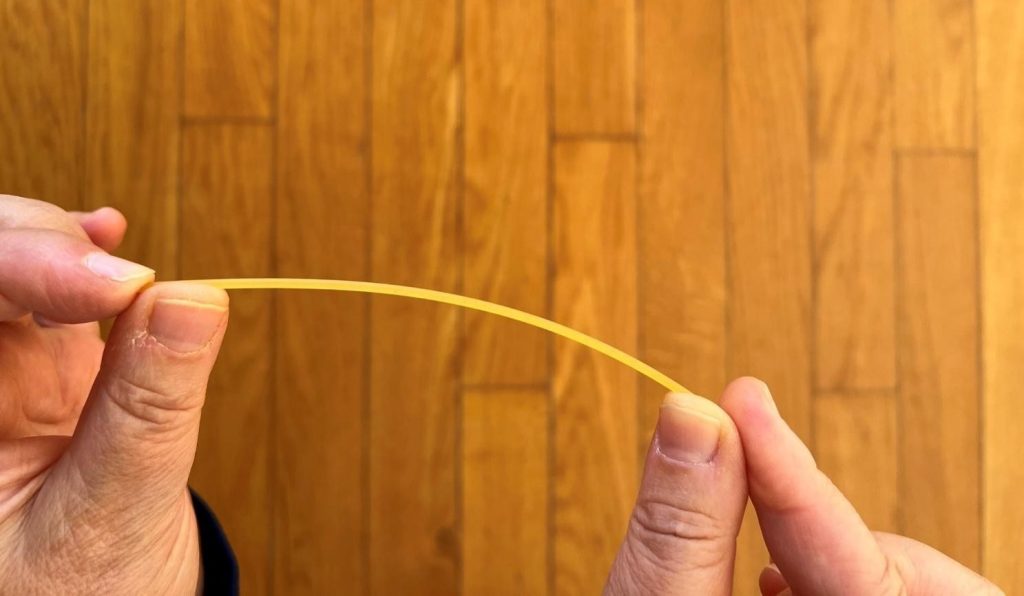
Non-traditional Measurements and the Measuring Procedure
Students measure a range of unusual properties of materials
Key Focus
Measurement
Subject(s)
Physics, Mathematics
Suitable for age(s)
12-19+ years
Introduction
This task introduces measuring procedures. By the time students reach lower secondary level, they have already learned to measure time, length, mass, and temperature – both in school and in everyday life. Because these procedures are so familiar, students are often not motivated to learn about measurement when standard examples are used. Yet when physics is introduced, topics such as measurement, precision, and error are usually covered at the very beginning, traditionally with familiar examples. Moreover, why a measuring procedure has well-defined steps that must be strictly followed is almost never discussed. The goal of this task is to introduce the concept of a measuring procedure through non-standard examples.
Every physics curriculum starts with measurement because physics is an experimental science. Standard measurements are also encountered in mathematics. Instead of repeating measurements that students already know, it is more motivating to explore non-standard properties, helping students see the importance of strictly equal procedures for comparing results. This task is especially useful at the start of the school year, during early physics classes. It can also be used when transitioning from lower to upper secondary school, as it encourages social interaction, collaboration, and helps students get to know new peers and a new teacher
Task Description
This task introduces semi-quantitative comparison and teaches students to develop procedures that enable assigning a numerical value to properties of objects or phenomena. While most measurements are standardised, this task helps students understand the underlying procedure using non-standard examples. The focus is on designing a measuring procedure, not simply collecting data. Students experience firsthand why a measuring procedure must be well-defined to allow for valid comparison across groups and contexts. This task introduces the requirements of a good measuring procedure by using non-standard properties. It comprises two activities
- How Brittle Are Spaghettis?
- Which Colour Should You Wear in Fog?
The first activity, which involves measuring the brittleness of spaghetti, demonstrates how even everyday objects, such as spaghetti, can reveal complex scientific concepts about materials, measurement, variability, and the importance of a well-defined process in science. The second activity, based on the visibility of colours in fog, helps students understand that visibility is not just a scientific idea; it’s a real-life safety concern. Understanding how colours behave in different environments helps us make better choices and stay safe. This rich task is best described as a guided inquiry. However, its main goal is not to answer a specific question, but rather to design a procedure that allows for comparing properties of different types of spaghetti and colours..
Materials required
For activity 1 (Brittleness of spaghetti):
- 10–15 uncooked spaghetti strands from at least three different types or brands (Differences may include thickness, egg content, flour type, or producer).
- Spare spaghetti of each type for additional trials
- Dynamometers
- Kitchen scales
- Adhesive tape
- Wooden blocks
- Weights (1 g, 2 g, 5 g, 10 g, 20 g, 50 g, etc.)
- Smartphones or tablets (to record video of measurements)
For activity 2 (Visibility of colours):
- Coloured paper (2 A5 or A6 pieces of paper with different colours. Elementary colours should be available, but also white, grey and black).
- Paus paper or any semi-transparent paper (in A6 pieces, at least 20 per group)
- Optional advanced setups (triangular wedge, milky water in aquarium, described in the activity).
- Scissors